

Build the community before you need it.
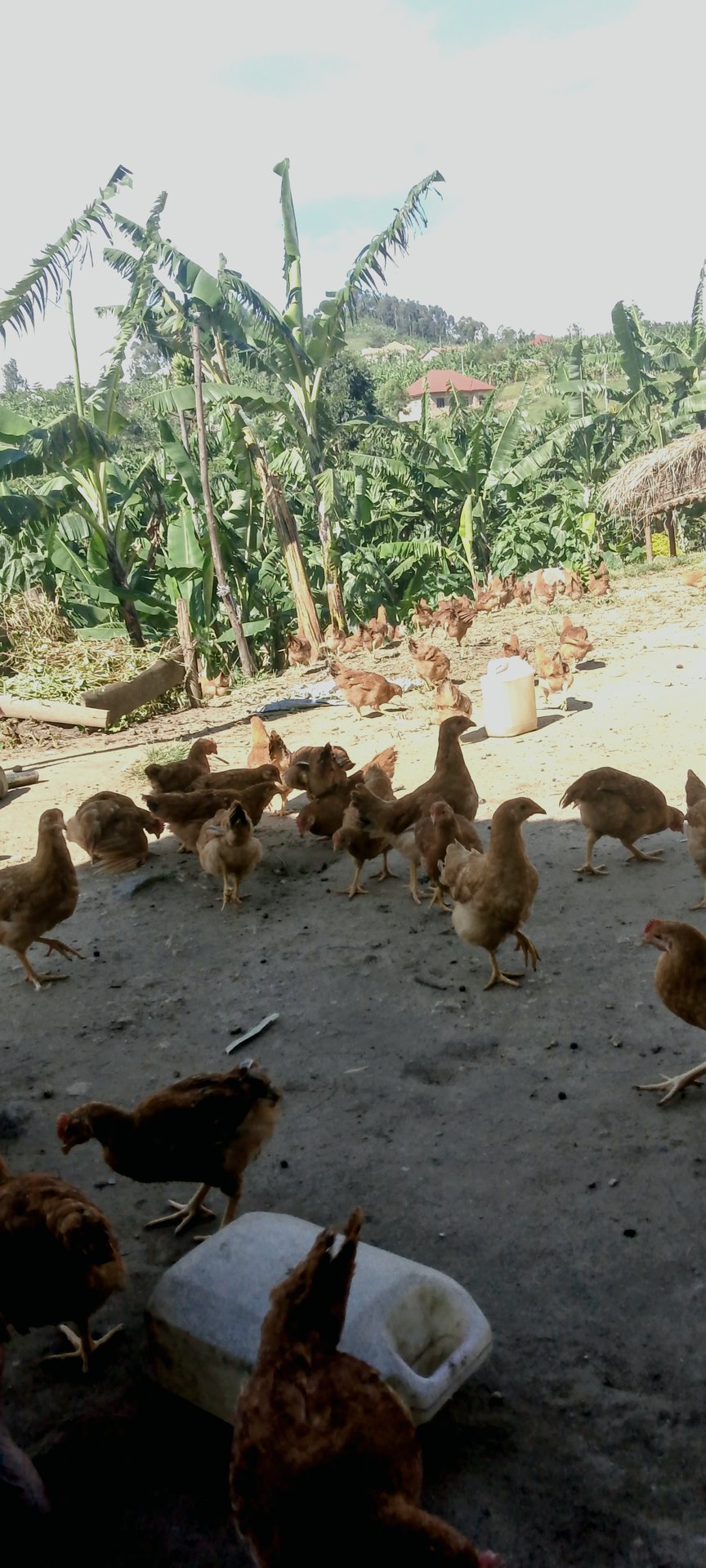
A pullet is furnished during rear. By the time she is in production, the gut community she carries is largely settled, and correcting it is an expensive conversation to have with a bird that is already laying. EKOSTART is a six-organism lactic acid bacteria consortium for the rearing period — a wider community than EKOSHIELD, put in while there is still room for it.
Why rear
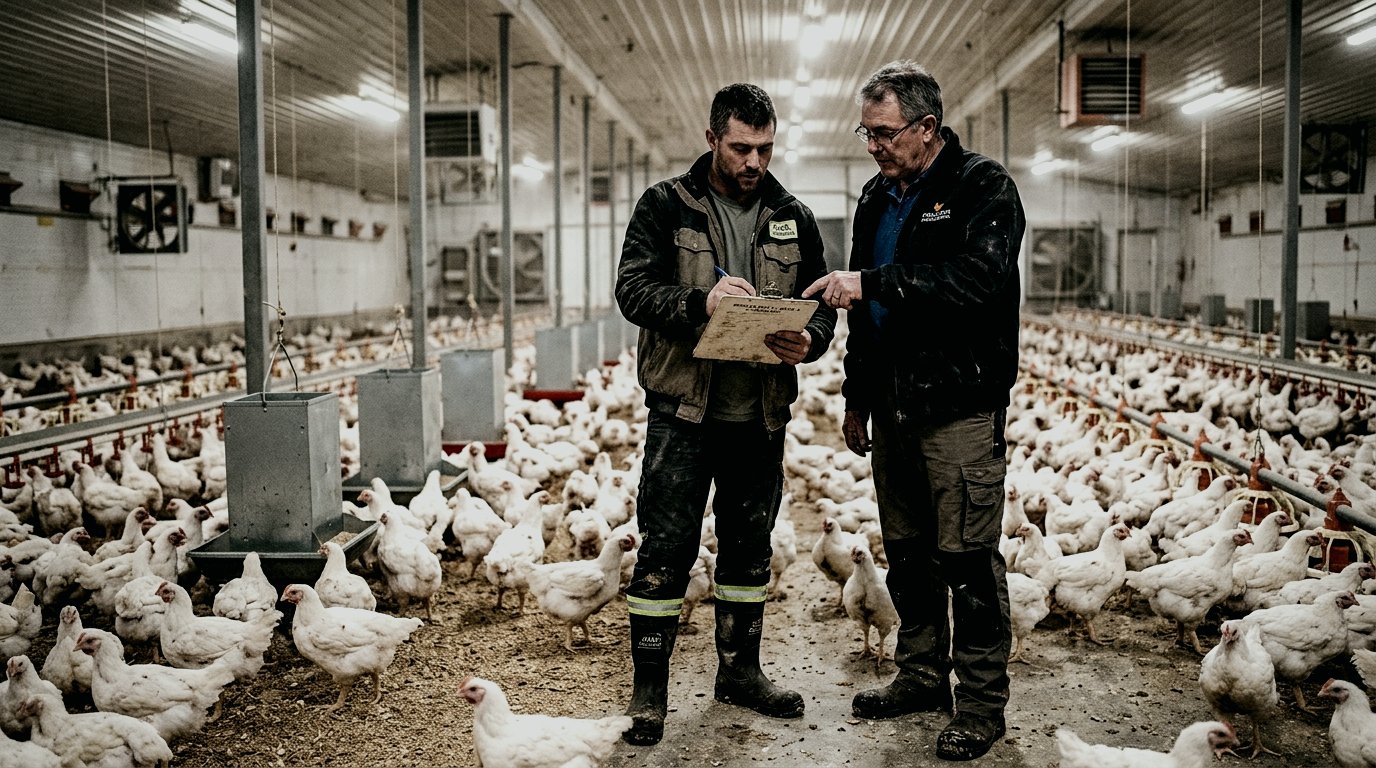
Rear is the cheap place to intervene.
Nothing is being harvested during rear. There is no egg to downgrade, no curve to protect, no production figure to defend to a board on a Monday morning. It is the one period in a layer's life when changing something costs you almost nothing except the ingredient.
It is also the period when the gut is still taking shape. A community established in rear is the community the hen brings with her to point of lay, and from that moment onward the job is holding it rather than building it.
EKOSTART is a foundation, not a rescue.
THE CONSORTIUM
Six organisms, all of them named.
A consortium is not a longer species list for its own sake. Different organisms are active in different parts of the tract and on different substrates, and a community that covers more of both is harder to displace. Each is declared, and the whole product is guaranteed at ≥ 1.0 × 10⁹ CFU/g.
Enterococcus faecium
Lactic acid producer, tolerant of the conditions found through the small intestine.
Pediococcus acidilactici
Bacteriocin producer; the species behind several of the published layer FCR results.
Streptococcus thermophilus
Rapid fermenter, active early in the tract where transit is quickest.
Lactobacillus plantarum
Broad substrate range, which is what lets it hold on through ration changes.
Lacticaseibacillus rhamnosus
Adheres well to intestinal mucus, so it persists rather than washing straight through.
Lacticaseibacillus casei
Established fermenter of the residual carbohydrate that reaches the lower tract.
These are the established roles of each species. They describe how the product is intended to work, not what it will deliver in your flock. Strain designations are provided in the technical dossier.
Specification
What is in the sack.
Lactic acid bacteria are not spore-formers, so EKOSTART will not survive a conditioner in the way EKOSHIELD does. It is supplied for dry mix application. If your rearing feed is pelleted, say so at the enquiry stage and we will work through the options with you rather than sell you the wrong product. Strain designations, inclusion rate and the batch Certificate of Analysis are issued with the technical dossier on request.
REQUEST THE TECHNICAL DOSSIER →Regulatory position
What we may and may not tell you.
This product is intended to:
- Stabilise gut flora
- Support zootechnical performance and feed conversion
- Support nutrient absorption
- Promote a healthy microbiome
It is not:
A veterinary medicinal product. EKOSTART is a zootechnical feed additive in the gut flora stabiliser functional group. We make no claim that it treats or prevents any disease, reduces mortality, reduces veterinary intervention, or replaces antibiotics for a therapeutic purpose — and we would ask you to be sceptical of any supplier who does.
The evidence behind the selection
What the literature supports, and what it does not.
Ekome is pre-launch and has run no commercial trials. The results below are peer-reviewed work in laying hens by independent groups, using their own strains of two of the six species in EKOSTART. They explain part of the selection. They are not EKOSTART results.
1.97 vs 2.01
Layer FCR, kg feed / kg egg
P. acidilactici (P = 0.010); egg weight 62.9 vs 62.1 g (P = 0.015).
Mikulski et al. 2020, Poultry Science
+7.84%
Laying rate at week 12
E. faecium supplementation in laying hens (P < 0.05).
Tang et al. 2026, Poultry Science
Where the evidence runs out
No published study tests the full six-strain blend together, and three of the six species have no efficacy trial in poultry that we consider clean enough to cite. We selected them on mechanism and on their record in other species, and we would rather tell you that here than have you discover it in the reference list. Our technical team will take you through the gaps as readily as the results.
The full programme
EKOSTART builds it. EKOSHIELD holds it.
The two products are designed to be used in sequence across the bird's life. We have no commercial data on that sequence, because we have not yet run a commercial cycle. It is a formulation strategy, and we present it as one.
Stage one · rear
EKOSTART, day-old to point of lay
A six-organism lactic acid bacteria consortium in the rearing ration, added to dry mixes, establishing a defined community while the gut is still being furnished.
Stage two · production
EKOSHIELD Layer, onset of lay to depletion
Three pellet-stable organisms carried through the productive period, in a format your mill can run at 90 °C without changing the line or adding a post-pellet application stage.
Start with the evidence and a conversation.
Tell us the stage, the ration and whether your rearing feed is pelleted, and our technical team will come back within two working days with the dossier, the published evidence and an honest account of what we do and do not know.