


PRODUCTS & SOLUTIONS
Two products. Four stages. One gut strategy.
Ekome makes zootechnical feed additives for commercial poultry — gut flora stabilisers, not medicines. EKOSHIELD is pellet-stable and runs from placement through to depletion. EKOSTART is a six-organism lactic acid bacteria consortium for the rearing period, added dry. Between them they cover the bird's whole productive life, and both are declared down to the organism and the guaranteed viable count.
Where each one belongs
The difference is process, not tiering.
EKOSHIELD is built on spore-forming organisms. That is why it comes through a conditioner at 90 °C and can go into a pelleted ration the ordinary way, with no post-pellet liquid application line to buy or maintain.
EKOSTART is a wider community — six lactic acid bacteria, suited to the rearing period, when there is still an empty gut to occupy. Those organisms are not spore-formers, so EKOSTART is a dry-mix product and is not pellet-stable. We would rather say that plainly than sell you the wrong sack. If your rearing feed is pelleted, tell us at the enquiry stage and our technical team will work through the options with you.
SPECIFICATION
Organisms
B. subtilis, B. licheniformis, E. faecium
Six-strain lactic acid bacteria consortium
SPECIFICATION
Declared count
≥ 1.0 × 10⁹ CFU/g
≥ 1.0 × 10⁹ CFU/g
SPECIFICATION
Carrier
Calcium carbonate, feed grade
Calcium carbonate, feed grade
SPECIFICATION
Pelleting
> 95% survival at 90 °C / 30 min
Dry mix only — not pellet-stable
SPECIFICATION
Stage
Chick, broiler and layer
Rear through to point of lay
SPECIFICATION
Pack size
25 kg sack
25 kg sack
Strain designations, inclusion rate and the batch Certificate of Analysis are issued with the technical dossier on request.
EKOSHIELD
Three defined organisms, specified for three stages.
The composition is common across the range. What changes is the stage it is aimed at, the pressures that stage puts on the gut, and the guidance that goes with it. Every sack carries the same guaranteed viable count and the same batch documentation.
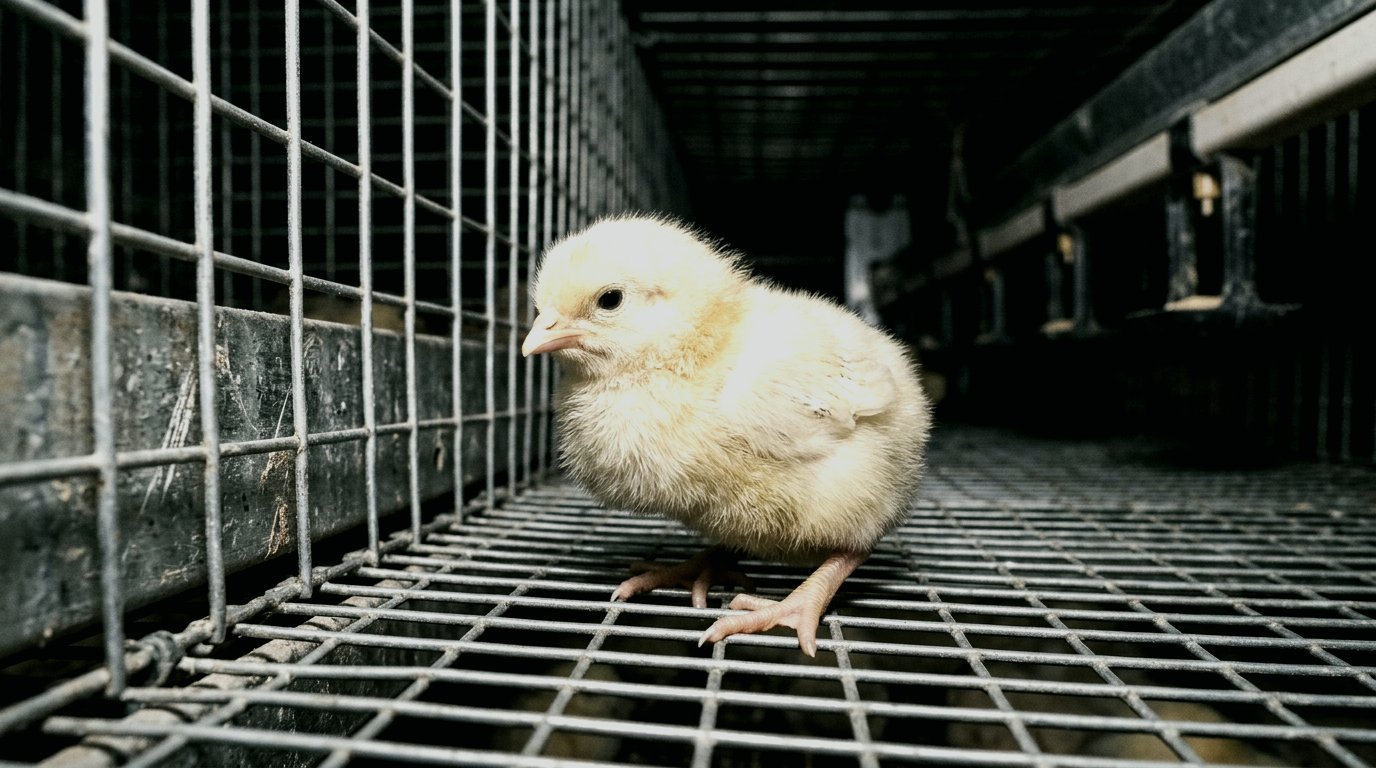
EKOSHIELD Chick Feed Additive
The gut is close to empty at placement and does not stay that way. This is the one point in the bird’s life when you have any say in what establishes.
READ SPECIFICATION →
EKOSHIELD Broiler Feed
Density, ration changes, heat and litter load all pull the intestinal community out of shape at exactly the point feed efficiency decides your margin.
READ SPECIFICATION →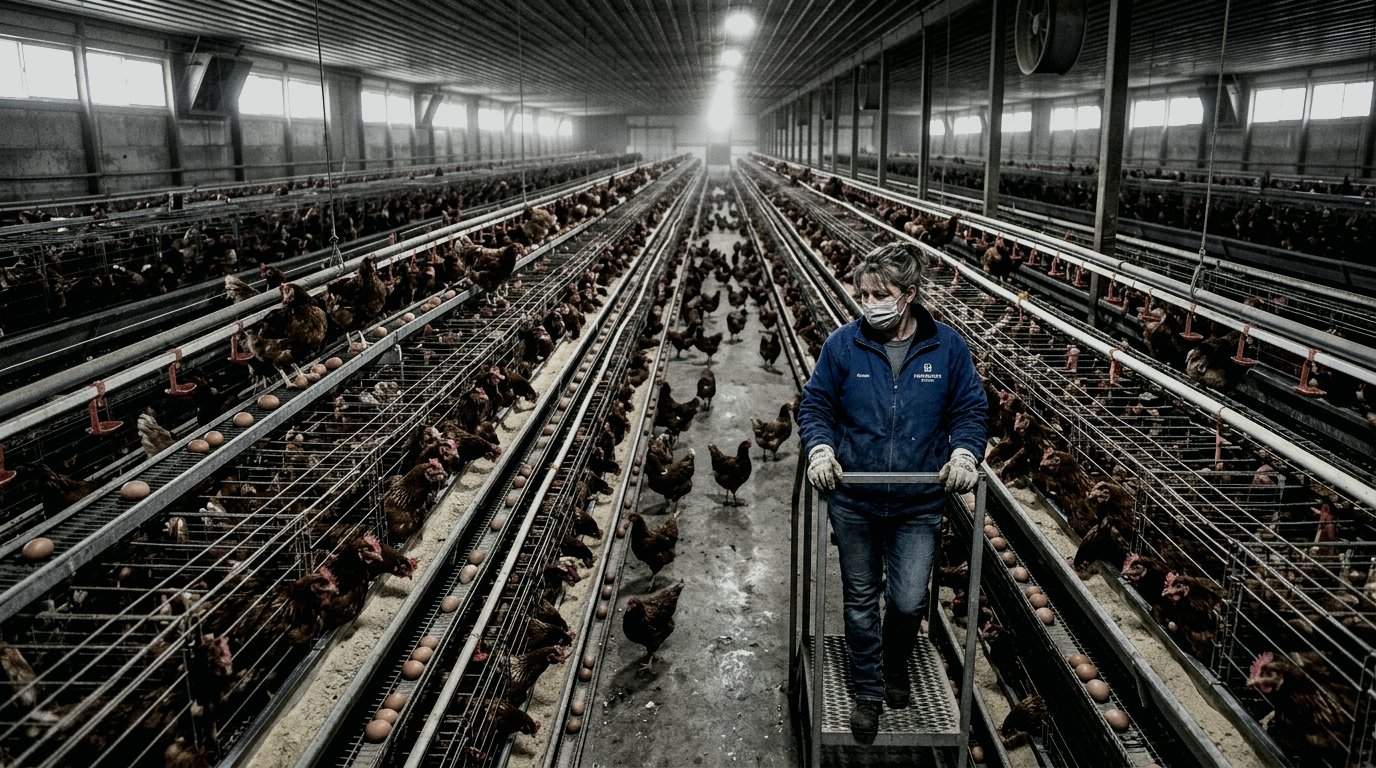
EKOSHIELD Layer Feed
Seventy weeks of production, and a ration that has to keep putting calcium into a shell. Persistency and seconds rate decide the value of the cycle.
READ SPECIFICATION →EKOSTART
Put it in early, while there is still room.
EKOSTART is a six-organism lactic acid bacteria consortium for pullets and pre-lay birds: Enterococcus faecium, Pediococcus acidilactici, Streptococcus thermophilus, Lactobacillus plantarum, Lacticaseibacillus rhamnosus and Lacticaseibacillus casei. A wider community than EKOSHIELD, for the period when the gut is still being furnished.
EKOSTART Layer Feed
Six organisms, ≥ 1.0 × 10⁹ CFU/g, on a feed-grade calcium carbonate carrier, supplied in 25 kg sacks. Dry mix only.
READ SPECIFICATION →How the two work as one programme
STAGE ONE · REAR
EKOSTART, day-old to point of lay
Establishes a defined lactic acid bacteria community in the rearing ration, while the bird is cheap to influence and nothing is yet in production.
STAGE TWO · PRODUCTION
EKOSHIELD, onset of lay to depletion
Holds that community steady through the long productive period, in a pellet-stable format that your mill can run without changing the line.
We have no commercial data on the two products used in sequence, because we have not run a commercial cycle. The programme is a formulation strategy, and we present it as one.
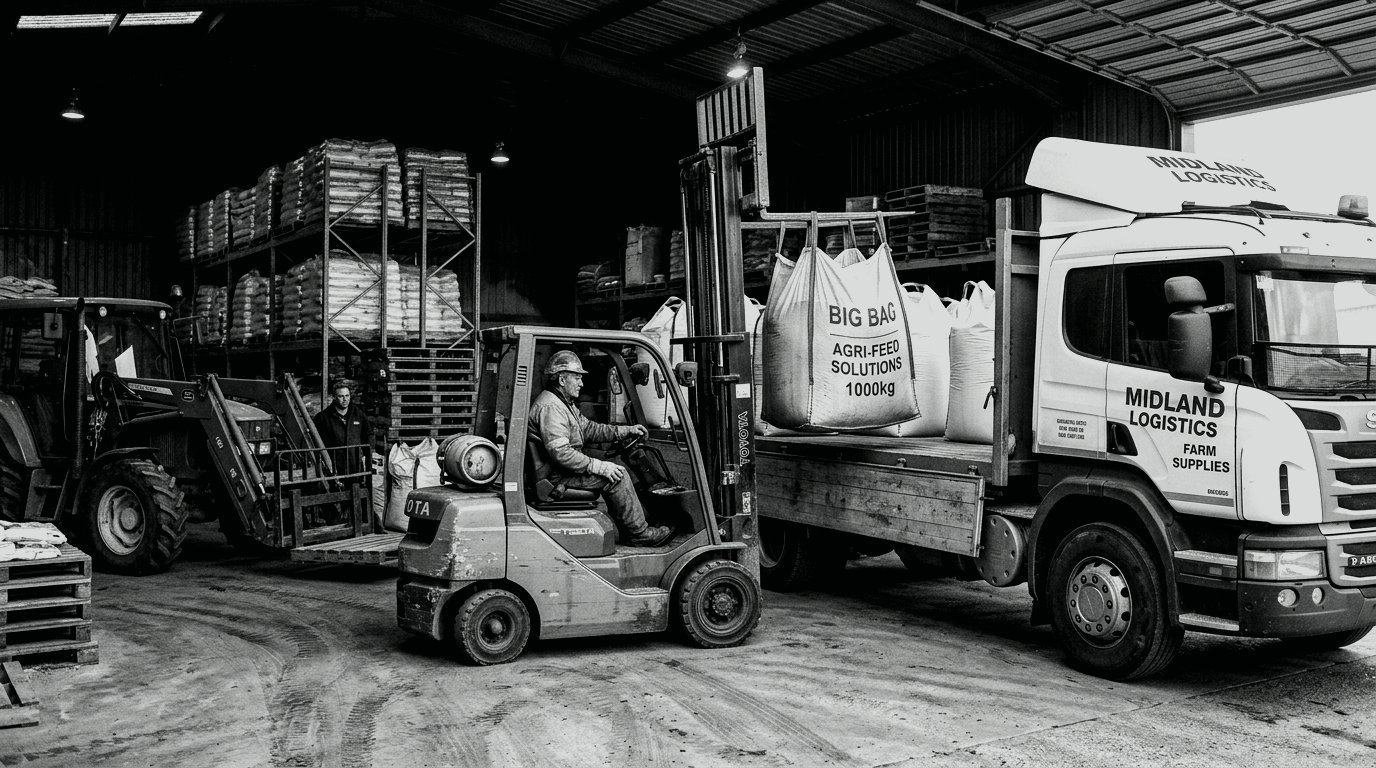
In the mill
What it means for your line.
We are pre-launch, and we will not pretend otherwise.
Ekome has run no commercial trials, so there are no Ekome performance figures anywhere on this site. What we do have is a systematic review of the published literature, and we will share the peer-reviewed species-level results that led us to select these organisms — along with the places where that evidence is thin. Ask for the dossier and the papers, and judge the reading for yourself.